The Canadian Board in Neurorehabilitation
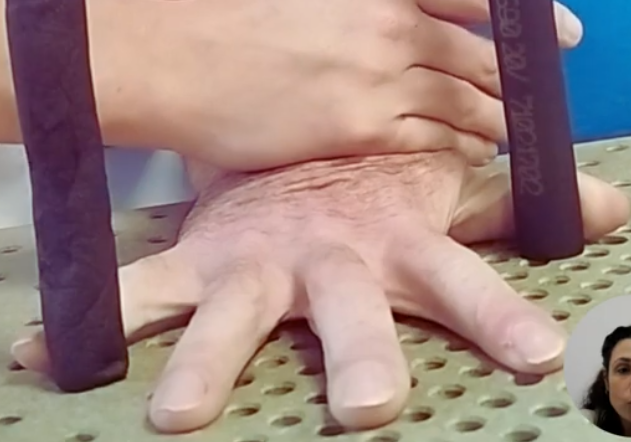
The Canadian board has established itself as a fundamental tool in the fields of rehabilitation and physiotherapy, especially when the goal is to restore functionality to a hand affected by neurological pathologies. Its versatile design allows therapists to address a wide range of motor deficiencies, making it an indispensable ally following central nervous system injuries.
Main Clinical Applications
The use of this board is particularly relevant for patients who have suffered a stroke or a traumatic brain injury, where the loss of fine motor control and partial paralysis (hemiparesis) often drastically limit the individual’s autonomy. Likewise, it is a valuable resource in the treatment of degenerative diseases such as multiple sclerosis, where maintaining manual dexterity is key to quality of life.
Benefits of Therapeutic Exercise
Through guided therapeutic exercise, the Canadian board allows for work on different components of movement:
• Digital Pinch and Grasp: Facilitates the transition from gross movements to precise gestures.
• Hand-Eye Coordination: Improves the integration between what the patient sees and their motor execution.
• Muscle Strengthening: Helps combat muscle atrophy secondary to inactivity or lack of use.
• Range of Motion: Prevents contractures and stiffness through repetitive and controlled mobilizations.
Conclusion
Ultimately, the integration of the Canadian board into neurorehabilitation protocols seeks to transform isolated movements into purposeful actions. By focusing on neural plasticity, this device does not merely treat the symptom; it seeks to reintegrate the upper limb into activities of daily living, granting the patient greater independence.
The Canadian board is a physiotherapy tool that can be perfectly included in treatment sessions with our patients.